

A hidden resource: unlocking the UK's stranded energy
The UK's energy grid faces significant challenges, leading to vast amounts of wasted renewable energy. At SINGLE ELECTRON MOBILITY, we see this not as a problem, but as the UK's most affordable source of green hydrogen. Discover how we transform curtailment and grid delays into a valuable opportunity for decarbonization.
The scale of the problem: wasted energy, broken grid
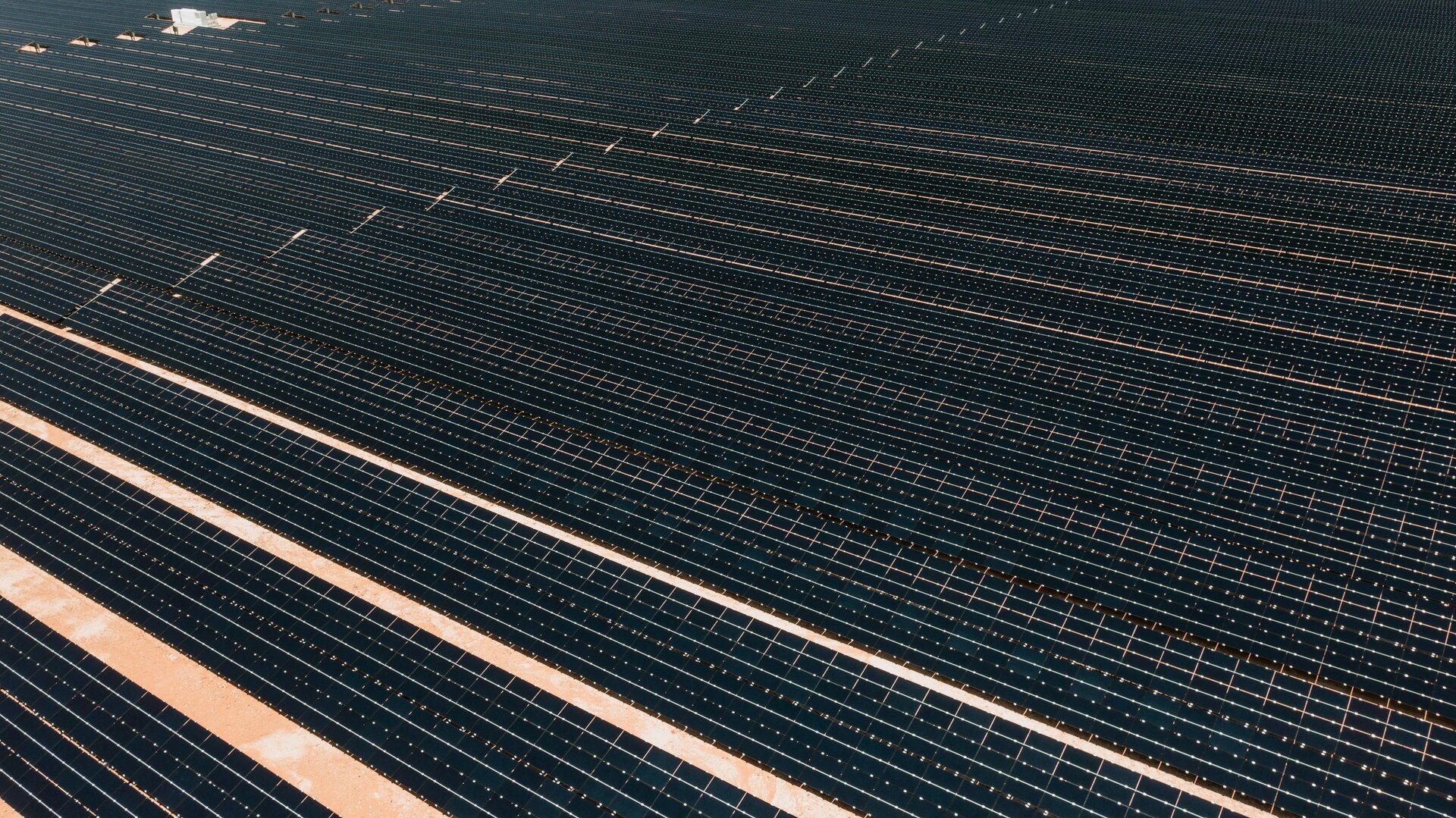
The UK's grid is currently broken, with 210 solar and wind projects scheduled to connect by 2027 facing significant delays. This accounts for nearly two-thirds of the projects needed to achieve Labour's 2030 clean power target. Ofgem has labelled this situation "frustrating and disappointing".
The consequence is a staggering waste of energy: a record 10 terawatt hours of renewable energy was wasted in 2025 alone. This amount is enough to power every home in London for a full year and cost billpayers £1.4 billion in curtailment payments. Grid upgrades typically take at least five years, leaving potential solar projects sitting idle in their development stage.
This wasted energy is essentially free, clean electricity. SINGLE ELECTRON MOBILITY (SEM) utilizes it, turning this grid infrastructure shortcoming into the UK's most affordable green hydrogen for the industries that need it most.

Who benefits: Industries ready for green hydrogen
SEM's green hydrogen provides immediate value to several key sectors. Industrial clusters and heavy manufacturing — such as chemical plants, steelmakers, and other hydrogen reliant manufacturing industries in regions like the Humber and Northwest — are actively preparing to transition from Gray/Black to Green H2. These energy-intensive industries require a reliable and affordable source of high purity green hydrogen to decarbonize without relocating.
Petrochemical complexes, including major facilities like ExxonMobil's Fawley site, plan to utilize green hydrogen for industrial processes, with the potential to cut emissions by 100,000 tones annually. Additionally, heavy transport operators, whose refuse collection vehicles and other large fleets are already trialing hydrogen, benefit from its suitability for high-power, hard-to-electrify routes.
While permanent pipeline networks are still years away, SEM delivers hydrogen today using mobile units. We bridge this crucial gap, serving early adopters until fixed infrastructure becomes available.

Our unique approach: turning delays into delivery
What sets SEM apart is our focus. Most hydrogen solutions do not address any curtailment – short-term shutdowns lasting hours or days or any long interconnection/commercial operation delay periods where solar farms generate power but cannot sell it. This represents 2-5 years of stranded energy that others often overlook.
The real innovation is that solar developers earn revenue during years they would otherwise earn zero. Simultaneously, industrial users gain access to affordable green hydrogen years before permanent pipelines arrive. We transform a critical grid bottleneck into a tangible clean fuel opportunity, delivering value starting today.
The evolving UK hydrogen market and our place in it
The UK hydrogen market is at a critical juncture. Government targets aim for 10GW of production by 2030, with flagship projects like the Humber hydrogen network (£500m funding bid) and HyNet in the Northwest progressing. However, policy delays have slowed momentum, and Hydrogen Allocation Rounds (HAR) face setbacks. Crucially, demand creation—not supply—is now the critical blocker.
While large-scale fixed networks take years to construct, SEM delivers green hydrogen today through our mobile units. We are uniquely positioned to bridge the "valley of death" between production and demand, serving early adopters until permanent infrastructure comes online. Our solution effectively turns grid delays into an immediate market opportunity for green hydrogen.